
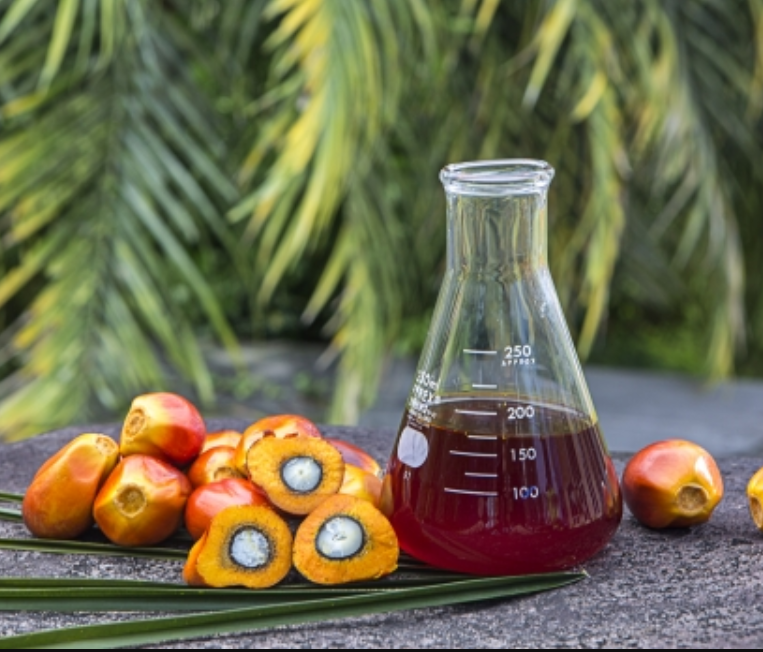
Palm oil, derived from the fruit of the oil palm tree, has become a ubiquitous ingredient in our daily lives. From the snack foods we munch on to the cosmetics we use, palm oil is found in a staggering number of products. Its versatility stems from its unique properties: it’s stable at high temperatures, has a neutral flavor, and is relatively inexpensive to produce.
However, this versatility comes at a cost. The rapid expansion of palm oil plantations has led to significant deforestation, threatening biodiversity and displacing indigenous communities. This has sparked considerable controversy, raising concerns about environmental sustainability and ethical sourcing.
The Palm Oil Dilemma:
- Environmental Impact: Deforestation for palm oil plantations is a major driver of habitat loss for endangered species like orangutans, tigers, and elephants.
- Social Impacts: Palm oil production has been linked to human rights abuses, including forced labor and land grabs.
- Health Concerns: While generally considered safe for consumption, some studies have raised concerns about the potential health impacts of certain palm oil processing methods.
The Path Towards Sustainability:
Despite these challenges, there is a growing movement towards sustainable palm oil production. Organizations like the Roundtable on Sustainable Palm Oil (RSPO) are working to promote responsible and ethical practices within the palm oil industry.
Choosing Sustainable Palm Oil:
Consumers can play a crucial role in supporting sustainable palm oil production by:
- Choosing products with RSPO certification.
- Supporting companies committed to sustainable sourcing practices.
- Reducing overall palm oil consumption.
The future of palm oil lies in finding a balance between meeting global demand and protecting our planet. By choosing sustainable options and supporting responsible producers, we can ensure that palm oil continues to be a valuable commodity while minimizing its environmental and social impacts.
Disclaimer: This article provides general information and should not be considered financial or investment advice.
Note: This article provides a general overview of palm oil and its associated issues.
Disclaimer: This article provides general information and should not be considered financial or investment advice.
I hope this article provides a comprehensive overview of palm oil.
